Your cart is empty.
Keep shopping

Teach on Udemy
Turn what you know into an opportunity and reach millions around the world.
Learn MoreHOW TO BECOME AN INTERIOR DESIGNER
3 students
HOW TO BECOME AN INTERIOR DESIGNER
Who can be an interior designer and who can't ?
Created byRasha Osama
Last updated 9/2024
English
What you'll learn
- WHO CAN BE AN INTERIOR DESIGNER AND WHO CAN NOT BE ?
- WHAT YOU NEED TO BE AN INTERIOR DESIGNER?
- Do I have to be a university graduate to succeed in interior design?
- How do I become a successful interior designer?
- How to create a Material board and mood board?
Explore related topics
Coding Exercises
This course includes our updated coding exercises so you can practice your skills as you learn.
See a demo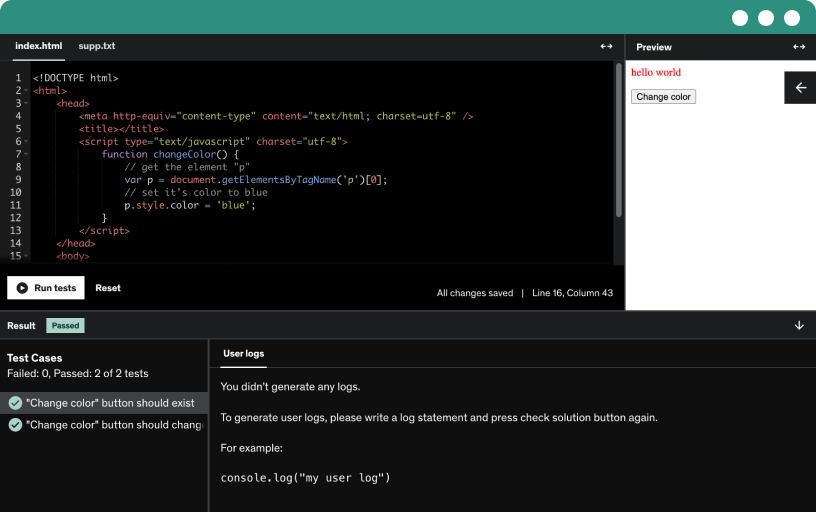
Course content
1 section • 5 lectures • 2h 31m total length
- How to become an interior design course. First, you need to learn all about int30:22
This lecture it's introduction for the course parts and explains the interior design styles.
- How to create moodboard30:36
After this lecture student can do a moodboard with their own.
- Create a mood board
- How to Create materials board30:40
7 tips to create & capture a material
A material board is a great way to convey your design intention. Below are our top tips to create and capture your board to share with clients. All of the imagery below feature Glosswood’s timber lining boards or acoustic panels.
1. Add materials that have depth.
Utilising multiple textures gives the board life and prevents it from looking flat. The curved Glosswood profile bring visual interest in this board and creates movement.
2. Change the angle.
If your moodboard is looking flat, change up the angle you’re taking the photo from. Angle the frame, or simply moving closer can enhance the materials selected.
3. Use complimentary colours.
Some of the most attractive material boards tend to have similar tones, as seen in the flat-lay below. The materials don’t need to be the same colour, just complimentary hues.
4. Place items outside the frame.
If your image isn’t looking “right”, it could be because you’re taking the photo too far away and all items are sitting in the frame. This can make the board look cluttered and takes away from the beauty of the products. To ensure the shot are engaging, ensure materials flow out of the camera’s view.
5. Add natural greenery to the board.
Nothing brings life to a board like a pop of greenery. Vines and leaves tend to look best as they bring curvature.
6. Pick a key piece to focus on.
Pick one item that captures the eye, and try shooting around this key piece. This can often help the viewer hone in on a individual item.
7. Take a piece away – less is more.
Some of the best boards only feature a few materials. Try taking away the last few items to see what you’re left with.
- Material board Quiz
- How to Define the style for any design30:01
How to Define Your Design Style
Our five-step guide to defining your design
Sourcing design images of interiors, furniture, or anything home-related that stands out to you.
Breaking down the aesthetics and themes you are noticing between those photos.
Writing down the commonalities seen between the design images.
Creating a mood board with the photos selected.
Understanding and identifying your design style is the first step to clearly articulating your taste to someone else. Whether you are designing your own home or knowing your design style will help you narrow your home decor selections and speed up the decision-making process. For anyone who wants to design for clients, understanding who you are as a designer and what type of styles you like is important because it will allow them to know what to expect when working with you—and it might even become a selling point as to why they want to work with you.
If you're interested in learning how to define your design style, keep reading for our handy five-step guide.
Step 1: Find a handful of images of finished interiors that speak to you the most.
Consider this your design research phase. During this first step, you'll want to do as much internet searching,scrolling, and Pinterest and Instagram saving as possible! You can save as many images as you'd like, but try to narrow them down to your favorite five at that end so you have a nice number of photos to compare.
Step 2: Break down the aesthetics you see in each image in a few words.
When looking at these images, you want to describe what you see or feel. Descriptor words can be anything from traditional to minimal, warm to colorful, etc. Your main goal here is to describe the image's aesthetic in your own words. Try not to overthink this step; just let those creative juices flow!
Pro-Tip: If you're having difficulty defining design styles, take coure to familiarize yourself with common styles.
These images portray an inviting, cozy cottage feel aesthetic.
Step 3: Write down the commonalities you see between the images.
What words are you seeing repeated from step two? Make a note of all of those. What are the similarities between the images you sourced? Are you seeing similar, bbright colors?Maybe you are attracted to curvy shapes? You should see at least a few commonalities.
Step 4: Create a mood board with the images you've selected.
Mood boarding is one of our favorite parts of a design project. If you aren't familiar with moodboard, it's a visual representation that will help you articulate the ideal vision for your project (or in this case: your style). In this step, you'll want to capture the essence of what you jotted down in step three into a mood board. We recommend including some of the interior images you selected; you can also add "mood imagery" (which can help you portray a literal mood) and some color/tonal photos that emphasize the aesthetic patterns you noticed in the earlier steps.
After putting everything together, you should have a general understanding of your design style! However, if you need a little extra mood board inspiration
This mood board combines inspiration images, textural elements, and a color palette—the recipe for a well-designed vibe.
Step 5: Last but not least, add your mood board to your design portfolio.
Voila! Just like that, you have a new mood board to showcase in your work Show the world your unique point of view and who you are as a designer! Remember that your design style will likely change over time, and that's okay. We like to make mood boards every season when our style might change (or whenever we need a boost of inspiration). The good news is there is no set rule for defining your style, and although we find our five-step guide helpful, do what feels best for you.
- Design your bedroom step by step30:04
Wondering how to decorate your bedroom but not sure where to start? We’ve got easy tips to help you create the space of your dreams.
For an at-a-glance overview of the bedroom design process, here's a concise summary:
Craft Your Vision: Define your style and mood preferences.
Understand Your Space: Measure and observe your room's specifics.
Color Your World: Decide on a color palette that complements your vision.
Select Your Furniture: Choose pieces that offer both aesthetics and functionality.
Arrange for Flow and Function: Plan a layout that enhances usability and aesthetic appeal.
Illuminate Your Room: Create a balanced lighting plan for ambience and utility.
Accessorize: Add finishing touches with decor items to reflect your personality.
Design for Life Stages: Consider the evolution of needs and tastes across different life stages.
Manage Layouts: Optimize your layout based on room size and shape.
Choose the Right Bed: Select a bed that fits your space, style, and comfort needs.
Now, let’s dive deeper into the core considerations of designing a bedroom.
The Art of Designing Your Bedroom
Step 1: Crafting Your Vision
The first step in learning how to design a bedroom revolves around cultivating your creative vision. What mood do you wish your bedroom to radiate? You may consider a variety of bedroom styles before making your final decisions, from minimalist and modern to vibrant and maximalist.
If you’re having trouble coming up with ideas, you can explore interior design blogs for bedroom inspiration.
Step 2: Understanding Your Space
Whether you're considering large bedroom layout ideas or figuring out how to design a small bedroom, understanding the dimensions of your space is crucial. Take into account the position and size of windows, doors, and built-in features.
Step 3: Color Your World
The right color palette can profoundly influence the mood of your room. Perhaps you desire the tranquility of soothing blues, the luxury of rich jewel tones, or the simplicity of a monochromatic scheme.
Step 4: Selecting Furniture and Materials
Choosing furniture for your room extends beyond aesthetics. Consider the functionality, durability, and how the material's character harmonizes with your chosen design style.
Step 5: Arranging for Flow and Function
Arranging your bedroom layout for optimal flow and function is the secret to a room that looks nice and feels great to use. Even a one-bed layout can be manipulated in a multitude of ways to create various effects and functions.
Step 6: The Illuminating Art of Lighting
From ambient to task and accent lighting, a well-thought-out lighting plan can significantly enhance your bedroom's aesthetics and usability.
Step 7: Finishing Touches With Accessories
Your choice of accessories brings personality and style to your room. They can range from functional pieces like lamps and mirrors to purely decorative items such as artwork and throw pillows.
Step 8: Bedroom Styles for Life Stages
From a nursery to a kid’s bedroom and a teen hangout to an adult's retreat, bedrooms evolve with life stages. These transitions necessitate changes in color schemes, furniture selection, and layout.
Step 9: The Right Bed for Your Space
Whether it's a plush king for a master suite, two beds for a shared kids' room, or a space-saving solution for a studio apartment, choosing the right bed is critical.
Design your space around you.
For over 50 years, Robern has been fusing unparalleled style with innovative functionality to make your everyday routines feel effortless. Transform your bathroom into a statement of breathtaking style and sophistication with Robern.
Inspiring Bedroom Décor Ideas
Now that you understand the logistics of how to design a bedroom, let’s explore bedroom inspiration photos. Each of these can be adapted to suit rooms of different sizes, whether you're designing a large master bedroom or a small guest room.
Luxe Glamor
Indulge in luxury with opulent textiles, sparkling accents, and a rich, dramatic color scheme.
Bauhaus Brilliance
Incorporate a design style that has influenced modern and contemporary aesthetics for decades—Bauhaus. Born in Germany in the early 20th century, the Bauhaus style favors rationality and functionality.
Scandinavian Simplicity
Nordic bedroom décor ideas include clean lines, functionality, a calm color scheme, and a focus on light and space.
Timeless Elegance
Immerse in the charm of classic bedroom décor ideas with intricate details, plush fabrics, and rich colors.
Coastal Serenity
Breathe in a tranquil, seaside-inspired atmosphere with cool blues, natural textures, and crisp whites.
Eye-Catching Art Deco Flair
If you’re wondering how to design a bedroom inspired by the lavish Art Deco style, implement bold geometric designs, high contrast color schemes, and exquisite details.
Industrial Bedroom Style
Embrace industrial edge with raw materials, open spaces, and a neutral color scheme.
Rustic Retreat
Channel the charm of the countryside with natural materials, warm earthy tones, and a cozy, inviting atmosphere.
Bright and Cheerful
Bring in an invigorating atmosphere with vivid colors, playful patterns, and an overall sense of positivity. A cheerful bedroom is all about choosing bold hues, incorporating uplifting artwork, and selecting pieces that stimulate joy and vitality.
Bohemian Bliss
Unleash your free spirit with an eclectic mix of vibrant colors, unique patterns, and textured room décor ideas.
Modern Minimalism
Experience the sophistication of modern bedroom ideas with clean lines and a monochromatic palette.
Japanese Zen
Infuse tranquility into your space with minimalist furniture, natural materials, and a soft, neutral color palette.
Romantic Vintage
Immerse yourself in a nostalgic aura with antique pieces, delicate color schemes, and ornate bedroom décor ideas.
Mid-Century Modern
Celebrate simplicity with a mix of traditional and contemporary design elements, natural materials, and a contrast of colors and patterns.
Efficient Storage
Focus on optimizing your space without sacrificing aesthetics. It's all about smart solutions like under-bed storage, built-in shelves, and multi-purpose furniture.
Kids Fantasy Land
Create a vibrant and engaging space for the young ones with cute bedroom ideas such as bright colors, fun patterns, and child-friendly furniture.
Designing Your Dream Sanctuary
As you venture into the realm of bedroom design ideas, it's your unique vision that sets the stage. Whether you're planning a simple bedroom design refresh or dreaming up an intricate large bedroom layout, the process is an opportunity to express your personal style and create a haven of comfort and serenity.
Collaborate With Professionals
While this overview provides tips and inspiration for your bedroom design journey, remember that professional guidance can further refine and perfect your vision. Interior designers and contractors bring a wealth of expertise, industry insights, and a network of resources that can transform your space into an exquisite masterpiece.
Engaging professionals can be particularly beneficial if you're considering substantial renovations, dealing with challenging room layouts, or simply desire an elevated, bespoke aesthetic. They can provide innovative solutions, access to exclusive décor items, and ensure adherence to safety standards and building codes.
- Assignment. Design a bedroom or office and do the material's board& moodboard
- Design a bedroom moodboard and material boards
Requirements
- Photoshop
- Power point
Description
How to become an interior design course.
First, you need to learn all about interior moods and styles and how to find the differences between each style and mood. Also, we will learn how to create a mood board and material board. and how to design your space, room, office, or flat. How do you talk and explain your design to the client? And how to find your client. All this and more will be in our course.
What is a Mood board?
Are collage of images to show your design concept style to the client, It is the first step to showing your client how you see his space, creating a good model is all about finding the right images to show your design. and to look great together.
Then you need learning the Technical Drawings.
To create plans, and elevations.
It is a must if you want to be an interior designer.
You need to go to the showrooms for different suppliers to be familiar with the latest designs and prices, and new materials to be updated with all news in the field.
In the end, You need to practice interior design, train your eyes, and start with your room and we will help you in this course to do it . Then you can offer to decorate one of your family members to design their flat or office.
Who this course is for:
- ANYONE INTERESTED IN INTERIOR DESIGN
- Students
- Interior Designer