
Your cart is empty.
Keep shopping
Full Stack Web Development 2026 Bootcamp
1,012 students
Full Stack Web Development 2026 Bootcamp
Master HTML5, CSS3, JavaScript & PHP with 14 Real-World Projects
Created bySegun Aruleba Emmanuel
Last updated 5/2026
English
English [Auto],
What you'll learn
- Build responsive, accessible, and semantic websites with HTML5 & CSS3
- Create interactive and dynamic web pages using JavaScript & jQuery (ES6+)
- Manipulate the DOM, validate forms, and work with APIs in real projects
- Understand server-side programming with PHP
- Build and manage databases with MySQL (CRUD operations)
- Implement authentication, sessions, and secure form handling
- Work on portfolio-ready12 real world projects: To-Do List App, Weather App, Blog CMS, and E-commerce Website
- Deploy your full-stack projects to the web and manage version control with GitHub
Explore related topics
Coding Exercises
This course includes our updated coding exercises so you can practice your skills as you learn.
See a demo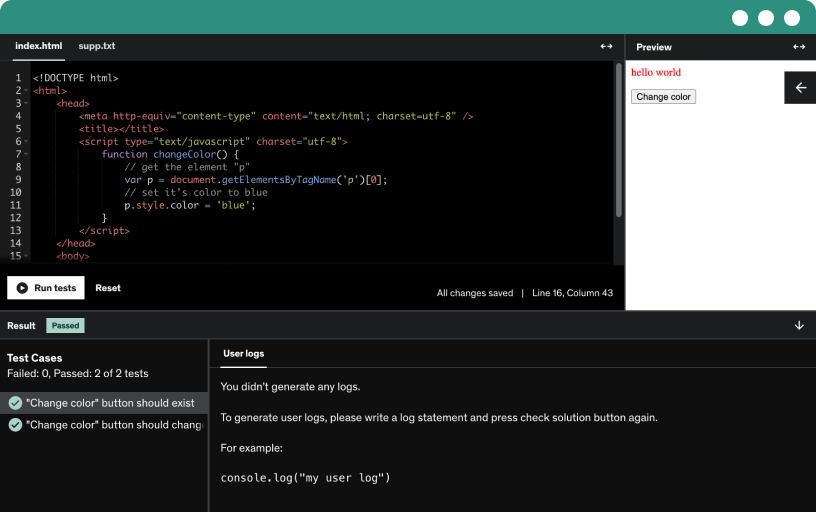
Course content
21 sections • 190 lectures • 25h 9m total length
Requirements
- There are no prior requirements or prerequisites to take this course.
- You do not need to purchase any additional software to learn Full-Stack Web Development; everything can be set up with free tools.
- This course is perfect for absolute beginners who want to start their web development journey.
- No programming background is required—we’ll guide you step by step from the basics to building full-stack applications.
Description
Full-Stack Web Development Bootcamp 2026: Master HTML5, CSS3, JavaScript & PHP with 14+ Real-World Projects
Are you ready to become a Full-Stack Web Developer and build real-world applications from scratch?
This updated 2026 Edition Bootcamp takes you step-by-step through HTML5, CSS3, JavaScript, PHP, and MySQL, helping you design, code, and deploy modern, responsive, and dynamic websites.
This course goes far beyond theory. It is fully project-based, giving you hands-on experience through 14+ real-world projects—including dynamic interfaces, API-powered applications, and a full mini e-commerce platform with authentication, shopping cart features, and database integration.
Whether you're starting from zero or looking to upgrade your skills, this course gives you everything you need to become a confident full-stack developer.
A Complete Hands-On PHP & Full-Stack Experience
Stop watching tutorials that don’t improve your skills.
In this Bootcamp, you learn by doing, with guided coding exercises, challenges, quizzes, and real projects you can proudly add to your portfolio.
Why Enroll in This 2026 Full-Stack Bootcamp?
Comprehensive + Practical
Learn HTML5, CSS3, JavaScript, PHP, and MySQL through step-by-step lessons, 34+ coding exercises, and quizzes.
Build Real Applications
Create real, working projects such as:
To-Do List App (HTML, CSS, JavaScript)
JavaScript Calculator
Contact Form + JS Validation
API Post Loader & Latest Posts App
Random Joke Generator
Random User Generator
Digital Clock
Temperature Converter
Weather App (API)
Personal Portfolio Website
PHP Contact Form
Mini Blog CMS (CRUD with PHP & MySQL)
Jumia-style E-Commerce UI
Full-Stack E-Commerce Website with Admin Panel (Capstone Project)
Each project is practical, modern, and portfolio-ready.
Beginner-Friendly
Perfect for beginners or anyone refreshing their PHP or web development knowledge.
Career-Focused
Build strong skills for roles in:
Full-Stack Development
PHP Development
WordPress Development
API & Backend Development
Freelancing & web app development
Lifetime Access
Access all lessons, code files, updates, and support—forever.
What You Will Learn
By the end of this Bootcamp, you'll be able to:
Frontend Development
Build responsive, accessible websites using HTML5 & CSS3
Use modern JavaScript (ES6+) for dynamic UI interactions
Validate forms, manipulate the DOM, and integrate APIs
Backend Development with PHP & MySQL
Understand PHP syntax, logic, loops, functions & data handling
Work confidently with backend logic and debugging
Build dynamic applications with PHP
Integrate PHP with MySQL using PDO & MySQLi
Implement CRUD operations, authentication, and secure form handling
Full-Stack Development
Create full-stack apps with frontend + backend integration
Build and deploy a complete PHP/MySQL mini e-commerce store
Manage sessions, user authentication, and admin dashboards
Host your projects online and manage version control with GitHub
You will finish the course with 14+ complete projects you can showcase to clients and employers.
Course Requirements
All you need is:
Basic HTML knowledge (recommended but not mandatory)
A laptop or PC
XAMPP or any PHP local server
Willingness to learn by coding
No prior PHP or backend experience is required.
Who This Course Is For
This Bootcamp is designed for:
Absolute beginners starting their developer journey
Students and professionals wanting full-stack skills
Freelancers who want to build websites for clients
Developers transitioning into PHP or backend development
Entrepreneurs building their own web apps
Anyone who wants to build real, functional projects
Students from other languages (Python, Java, C++) expanding their skills
Why PHP Still Matters in 2026
PHP continues to power WordPress, Laravel, and millions of modern websites. With strong demand for backend and full-stack developers, mastering PHP prepares you to:
Build dynamic websites & backend systems
Develop WordPress themes & plugins
Build secure APIs and database-driven apps
Create and manage e-commerce platforms
Start freelancing or launch a developer career
Your Full-Stack Journey Starts Here
Every professional developer started with a simple:
echo "Hello World!";
Now it’s your turn.
Build real projects, understand how full-stack applications work, and gain the confidence to develop anything you imagine—one project at a time.
Key Features & Benefits
Beginner-friendly explanations
Step-by-step guidance
Real-world projects after every module
Full-stack development (HTML, CSS, JS, PHP, MySQL)
Capstone project: Full E-Commerce Website
Coding challenges, quizzes, and exercises
Portfolio-ready projects to showcase your skills
By the End of this Bootcamp
You won’t just learn how to code—
you’ll know how to build full-stack applications confidently and professionally.
Enroll today and start building your future in full-stack web development!
Who this course is for:
- Anyone who wants to learn Web Design and Web Development through a fully practical, hands-on approach.
- Beginners with little or no experience who want to build websites and web applications from scratch.
- Students and learners aiming to start a career in web development or strengthen their education with real-world coding skills.
- Business owners and entrepreneurs who want to create websites or build web applications for their customers.
- Career changers looking to transition into web development or programming and gain the skills needed to pursue new opportunities.
- Web designers who want to expand their skills and learn how to create fully functional, dynamic websites.
- Anyone interested in coding who wants to understand how to build and launch modern websites and applications.