
Your cart is empty.
Keep shopping
Learn Python Basics: Build Your First Real Programs
3,005 students
Learn Python Basics: Build Your First Real Programs
Step-by-step Python tutorials with exercises and projects — start coding with confidence as a beginner
Created byZorab Vatcharadze
Last updated 1/2026
English
English [Auto],
What you'll learn
- Absolute beginners who want to start learning Python
- Students preparing for programming, computer science, or coding bootcamps
- Hobbyists who want to automate tasks or explore programming
- Career switchers aiming to enter tech or software development
- Anyone who wants a step-by-step, hands-on introduction to Python
- Learners who prefer practical exercises and mini-projects over theory
- People who want to build real Python projects while learning fundamentals
Explore related topics
Coding Exercises
This course includes our updated coding exercises so you can practice your skills as you learn.
See a demo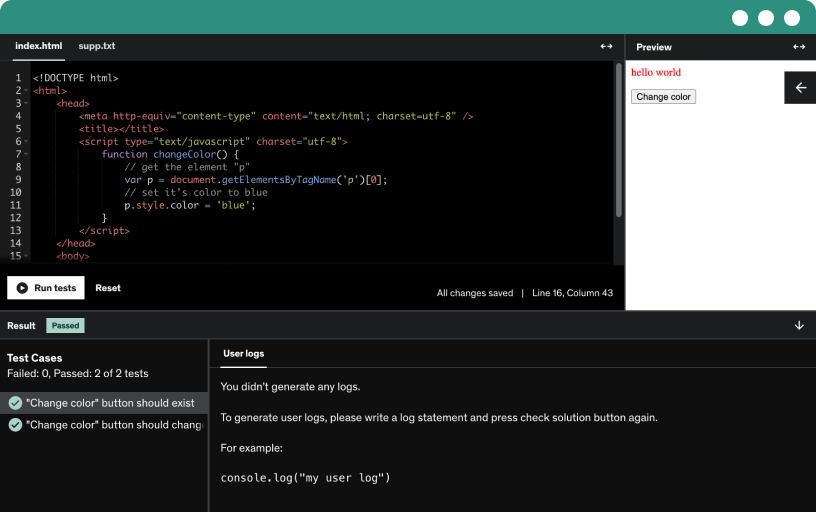
Course content
9 sections • 69 lectures • 2h 10m total length
Requirements
- No prior programming or Python experience is needed
- A computer (Windows, Mac, or Linux)
- Python installed (instructions provided in the course)
- Motivation to learn and practice coding
- Willingness to follow along with exercises and mini-projects
Description
Completely new to programming? Want to learn Python the right way from scratch?
This course is designed for absolute beginners who want to start coding confidently, even if you’ve never written a single line of code before. You’ll learn step-by-step, with hands-on exercises, mini-projects, and clear explanations that make Python easy to understand.
Python is one of the most in-demand programming languages today, used in web development, automation, data analysis, machine learning, cybersecurity, and software development. The best part? Python is beginner-friendly and fun to learn — and this course will get you building real programs from day one.
Why This Course Is Different:
Hands-on projects that reinforce every concept
Step-by-step explanations without confusing jargon
Practical skills you can apply immediately
Beginner-friendly pace that builds confidence
By the end of this course, you’ll be able to write Python programs, solve problems, and continue learning more advanced topics with confidence.
Who This Course Is For:
Absolute beginners who want to start coding
Students preparing for computer science or programming careers
Hobbyists wanting to automate tasks or explore Python
Career switchers entering tech or software development
What You’ll Learn:
Set up Python and write your first programs confidently
Understand variables, data types, loops, and functions
Work with strings, lists, dictionaries, sets, and tuples
Control programs using conditions and loops
Create and use functions correctly
Build beginner-friendly projects to apply your skills
Practice coding with quizzes, exercises, and challenges
Requirements:
No prior coding experience needed
A computer (Windows, Mac, or Linux)
Motivation to learn and practice
-Start Learning Python Today
Enroll now and start your journey to becoming a confident Python programmer. Build practical skills, complete beginner-friendly projects, and enjoy hands-on learning every step of the way.
Who this course is for:
- Absolute beginners who want to start learning Python
- Students preparing for programming, computer science, or coding bootcamps
- Hobbyists who want to automate tasks or explore programming
- Career switchers aiming to enter tech or software development
- Anyone who prefers learning by doing with hands-on exercises and mini-projects
- People who want to build real Python projects while learning the fundamentals