
Your cart is empty.
Keep shopping
Business Intelligence Mastery with SQL and Tableau [2-in-1]
Role Play
11,796 students
Business Intelligence Mastery with SQL and Tableau [2-in-1]
Unlock the Power of Data: Become a Business Intelligence Expert with SQL and Tableau | Business Intelligence Essentials
Created byStart-Tech Academy, Abhishek Bansal, Pukhraj Parikh
Last updated 4/2026
English
English [Auto],
What you'll learn
- Master SQL syntax and write complex queries to extract business insights.
- Develop the skills to visualize complex data using Tableau.
- Use Tableau to create interactive dashboards and reports to communicate insights effectively.
- Explore and analyze large datasets to identify trends and patterns.
- Discover how to clean, transform, and prepare data for analysis using SQL.
- Master advanced SQL concepts like subqueries, joins, and views.
- Learn how to create calculated fields and use Tableau's data blending capabilities
Explore related topics
Coding Exercises
This course includes our updated coding exercises so you can practice your skills as you learn.
See a demo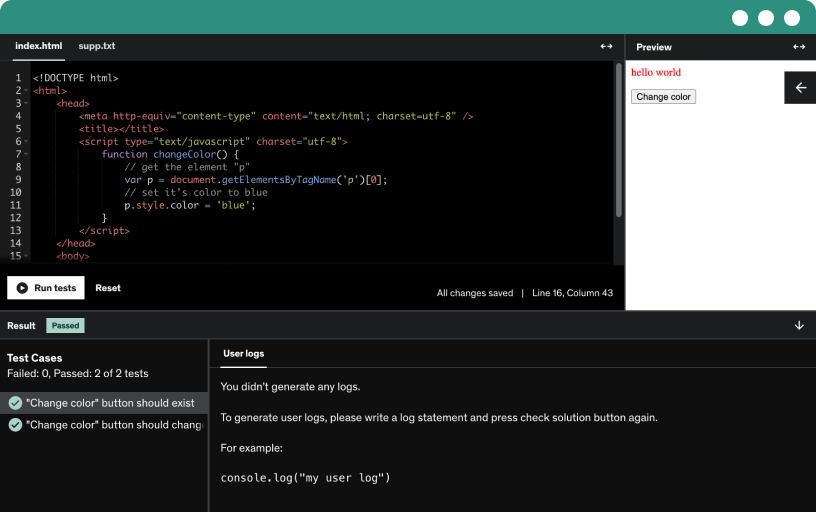
Course content
38 sections • 182 lectures • 18h 52m total length
Requirements
- A PC with internet connection. Installation instructions for all tools used are part of the course.
Description
If you're looking to take your career to the next level by mastering data analytics, you're in the right place! Do you ever wonder how top companies like Amazon, Netflix, and Google make informed decisions? The answer is Business Intelligence, and this course will teach you the fundamentals of it using SQL and Tableau.
Business Intelligence Mastery with SQL and Tableau [2-in-1] is a comprehensive course that covers the essentials of Business Intelligence, equipping you with the skills to leverage data to drive business decisions.
In this course, you will:
Develop a deep understanding of SQL and its practical applications in extracting insights from complex data sets
Master Tableau to create interactive dashboards and visualize complex data with ease
Explore real-world case studies and practice exercises to apply your skills in practice
Gain a competitive edge in the job market by acquiring highly sought-after Business Intelligence skills
Get access to lucrative career opportunities in various domains such as finance, marketing, and operations
Business Intelligence is a key element of success in today's data-driven world. By learning SQL and Tableau, you'll gain a competitive edge in the job market and be able to work with data to inform business decisions.
Throughout the course, you'll be challenged with quizzes, exercises, and projects to cement your learning and apply your skills in practice. Our experienced instructors have designed this course to ensure that you have a solid understanding of Business Intelligence and are well-equipped to take on any data analytics challenge.
Why learn from us? Our instructors are experts in the field of Business Intelligence and have extensive experience working with SQL and Tableau. By enrolling in this course, you'll receive personalized support and guidance throughout your learning journey.
Business Intelligence Mastery with SQL and Tableau [2-in-1] is the perfect course for anyone looking to take their career to the next level.
Enroll today and start unlocking the power of data!
Who this course is for:
- Business analysts who want to improve their skills in data analysis and visualization using SQL and Tableau to advance their career.
- Entrepreneurs who want to use data-driven insights to grow their business and make better strategic decisions.
- Students who are pursuing a degree in business, finance, or data science and want to gain practical skills in business intelligence.
- Professionals in fields such as finance, healthcare, or logistics who want to use data analysis and visualization to improve their organization's performance.